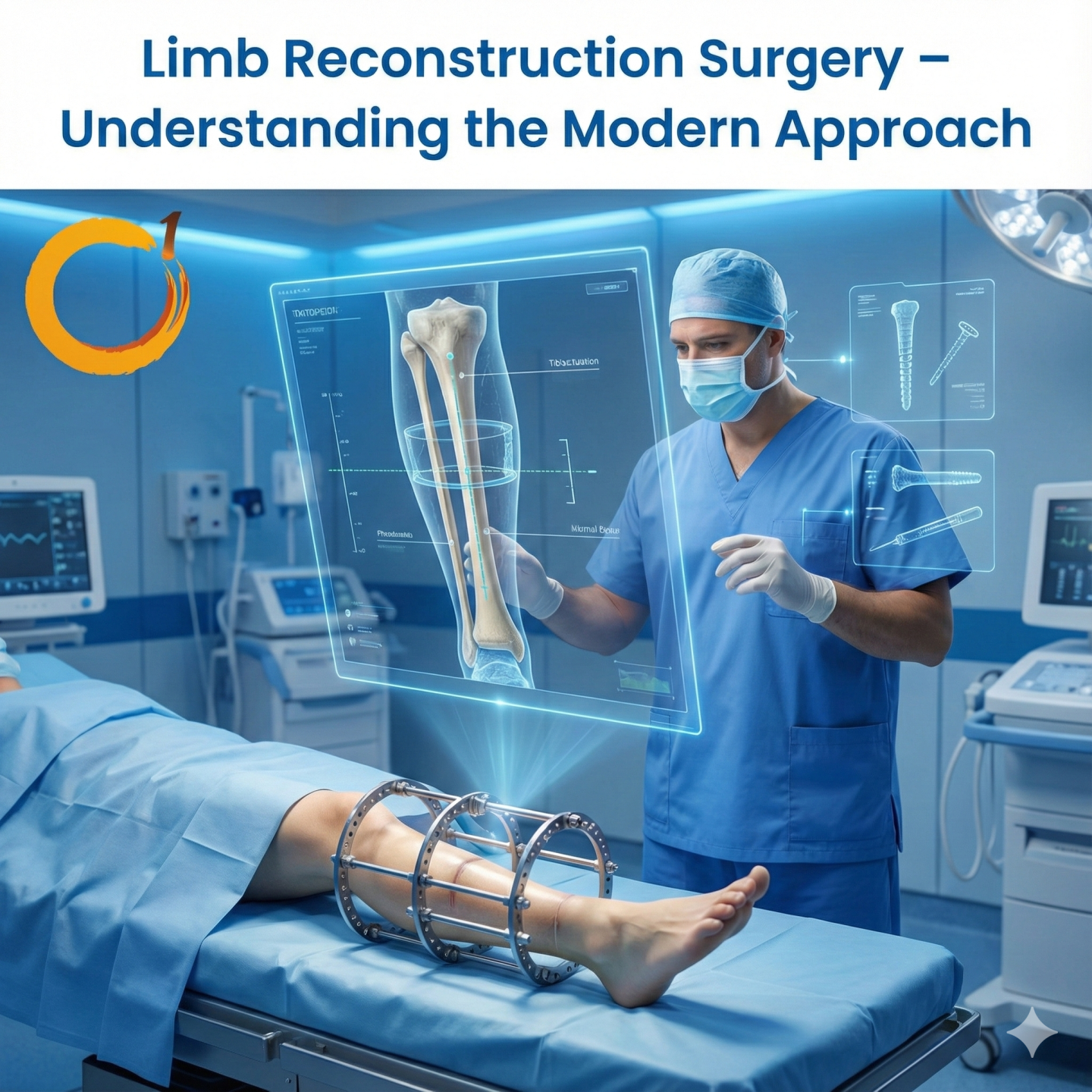
Limb

Limb Reconstruction Surgery – Understanding the Modern Approach

Limb injuries due to trauma, accidents, or congenital deformities can drastically affect mobility and quality of life. Limb reconstruction surgery offers patients a chance to regain function, correct deformities, and improve overall mobility.

At Orthoone Orthopedics, Bhubaneswar, we follow modern, evidence-based approaches to limb reconstruction, guided by Dr. Dibya Singha, ensuring safe procedures and faster recovery.

What is Limb Reconstruction Surgery?

Limb reconstruction is a specialized orthopedic procedure that helps:

  • Correct bone deformities
  • Treat non-healing fractures
  • Restore length, alignment, and function of limbs
  • Manage congenital limb deformities

It often involves external fixators, internal implants, or gradual bone lengthening techniques to restore normal function.

Who Needs Limb Reconstruction?

Patients with the following conditions may require reconstruction:

  • Severe fractures or trauma that did not heal properly
  • Bone infections (osteomyelitis) leading to deformity
  • Congenital deformities in children or adults
  • Limb length discrepancies
  • Joint malalignment or severe arthritis

Early consultation ensures better planning and outcome.

Modern Techniques in Limb Reconstruction

Orthoone Orthopedics uses state-of-the-art methods to ensure precision and safety:

  1. External Fixators – adjustable rods outside the body to align bones gradually.
  2. Internal Implants & Plates – internal support for stability and bone healing.
  3. Gradual Bone Lengthening – for limb length discrepancies using Ilizarov or other modern devices.
  4. Minimally Invasive Techniques – reduces tissue damage, infection risk, and recovery time.

These techniques are customized based on patient age, type of injury, and overall health.

Rehabilitation and Recovery

Surgery is only part of the process. Structured rehabilitation is crucial:

  • Physiotherapy to strengthen muscles
  • Range-of-motion exercises
  • Weight-bearing guidance
  • Gradual return to daily activities and sports

With proper rehab, most patients regain excellent limb function within months.

Why Choose Orthoone Orthopedics?

Founded in 2015 by Dr. Dibya Singha, Orthoone Orthopedics has successfully treated thousands of patients with complex limb issues. Our approach combines:

  • Expert orthopedic care
  • Modern surgical techniques
  • Personalized rehabilitation plans
  • Focus on early recovery and functional restoration

Patients from Bhubaneswar, Odisha, and nearby states trust Orthoone for safe and effective limb reconstruction.

Take the First Step Towards Recovery

If you or your loved one suffers from trauma, deformity, or limb-length discrepancies, early evaluation is crucial.

Clinic Location:
Besides SBI ATM, Near Bus Stop, Acharya Vihar Square, Bhubaneswar

Call: 9439537777
Website: orthone.in

Regain mobility and confidence with modern limb reconstruction surgery at Orthoone Orthopedics.
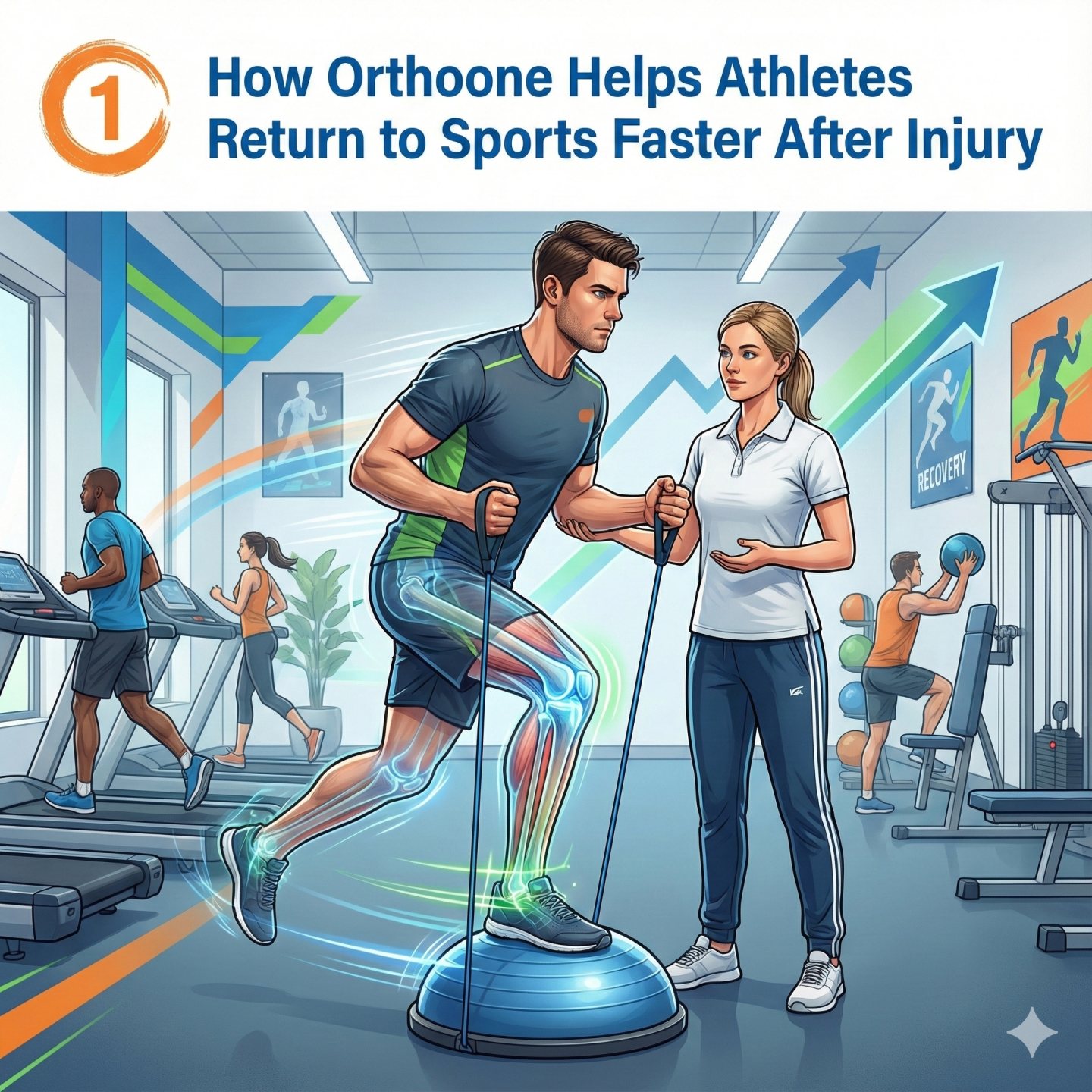
sports

How Orthoone Helps Athletes Return to Sports Faster After Injury

Sports injuries are common among professional athletes, school players, gym-goers, and even weekend fitness lovers. A small fall or muscle tear can pause an athlete’s career for weeks.

At Orthoone Orthopedics, Bhubaneswar, we follow an evidence-based and sports-specific approach to help athletes recover faster and return to the field with confidence.

Why Athletes Get Injured

Athletes often suffer:

  • ligament injuries
  • muscle tears
  • sprains
  • knee injuries
  • shoulder injuries
  • ankle sprains

Mostly due to:

  • overuse
  • sudden twisting movements
  • improper posture
  • poor warm-up
  • previous untreated injuries

Fast & Focused Sports Injury Diagnosis

Every sports injury requires proper clinical evaluation including:
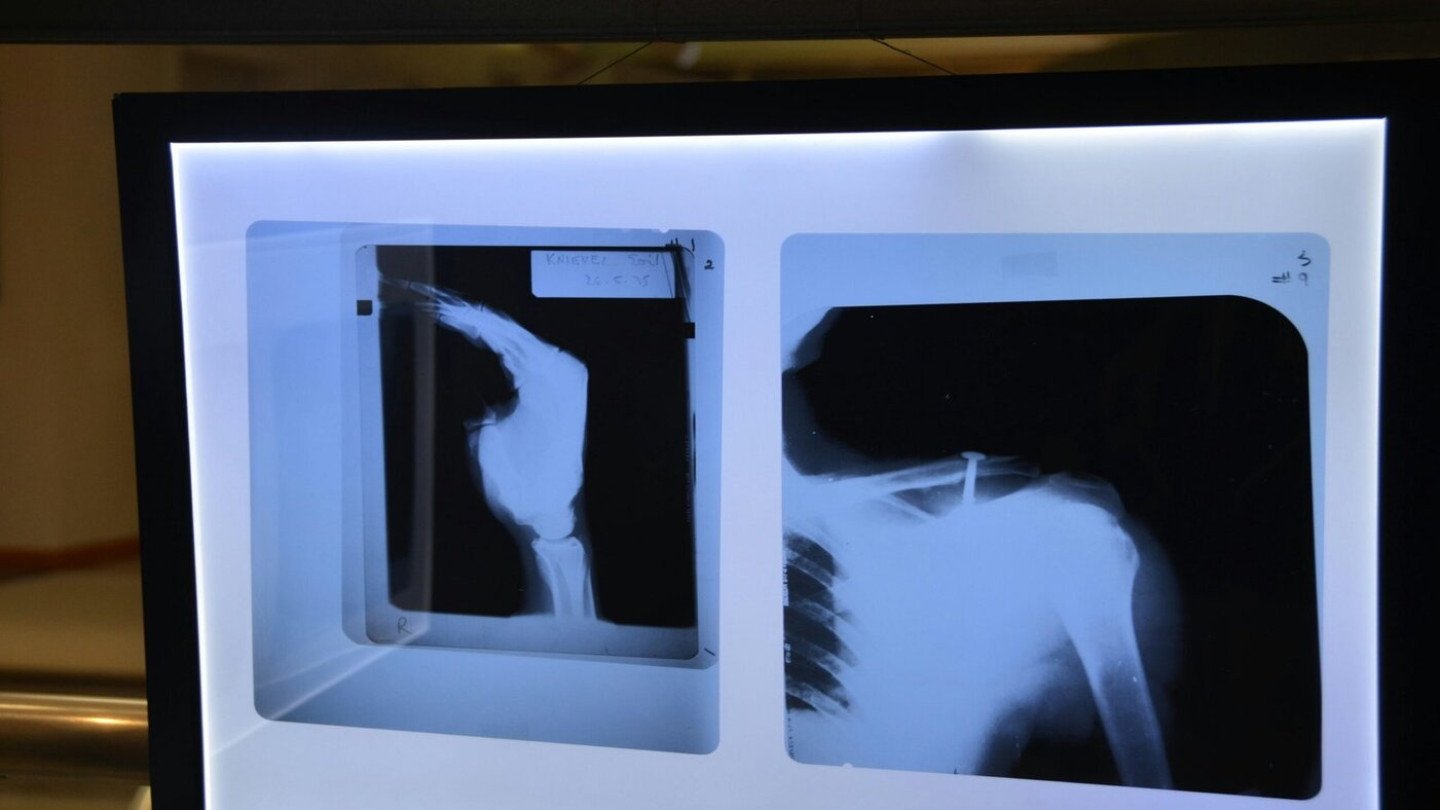
✔ X-ray
✔ MRI
✔ Orthopaedic examination
✔ Strength and mobility assessment

At Orthoone, we identify the exact tissue or joint injured to build a customised treatment plan.

Sports-Focused Treatment Approach

Orthoone Orthopedics uses advanced orthopedic techniques including:

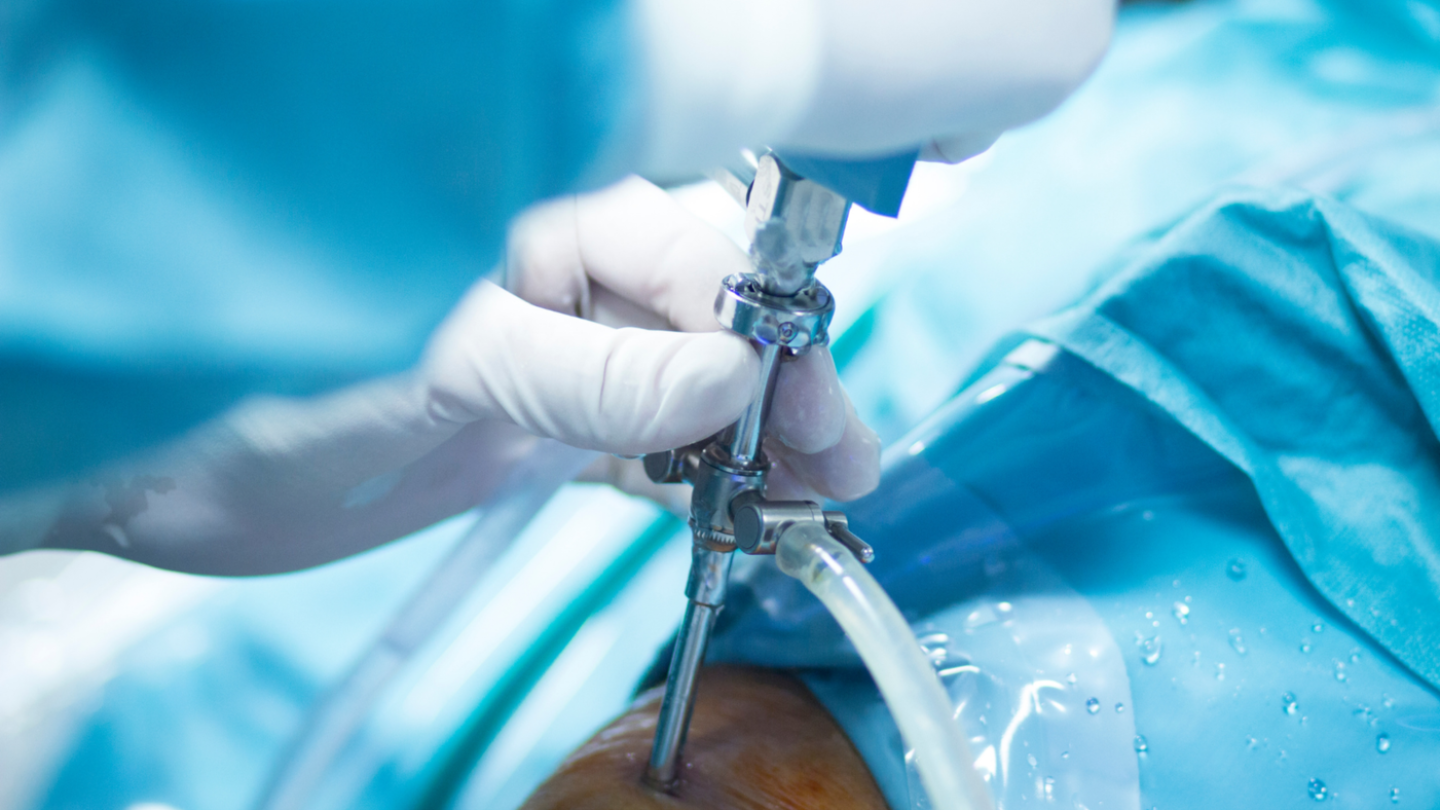
  • arthroscopy
  • ligament repair
  • ACL treatment
  • shoulder injury management
  • meniscus treatment
  • ankle stability treatment

These procedures are designed to restore full joint function, which is essential for sports performance.

Rehabilitation Designed for Athletes

Post-treatment rehab is the major factor behind fast recovery.

Sports rehab at Orthoone includes:

  • physiotherapy
  • muscle strengthening
  • balance training
  • joint mobility
  • sports-specific exercises
  • return-to-play assessment

This helps players recover safely and avoid reinjury.

Minimally Invasive Procedures

Orthoone uses modern techniques like:

  • arthroscopy
  • minimally invasive surgeries

These ensure:

  • less pain
  • faster healing
  • early mobility
  • quicker return to sports

Athletes usually resume training much sooner compared to traditional treatments.

Preventing Reinury

The goal is not only to treat the injury but help the athlete avoid future damage by:

  • muscle balance correction
  • proper stretching routine
  • strengthening weak muscles
  • correcting sports technique
  • load control & training guidance

We also educate athletes to listen to their body and avoid overuse.

Why Trust Orthoone Orthopedics?

Orthoone Orthopedics, founded by Dr Dibya Singha, has successfully treated sports-related injuries for many years and helped athletes get back to active sports safely.

Dr Dibya is experienced in:

  • arthroscopy (knee & shoulder)
  • ligament treatment
  • arthroplasty
  • trauma & complex trauma
  • orthopedic rehab guidance

Return to Sports with Confidence

Whether you’re a professional athlete, runner, gym-goer or young sportsperson—early and proper treatment can help you return to action faster and prevent long-term complications.

Visit Orthoone Orthopedics

Address : Besides SBI ATM, Near Bus Stop, Acharya Vihar Square, Bhubaneswar
website : orthone.in
Call : 9439537777

dibya

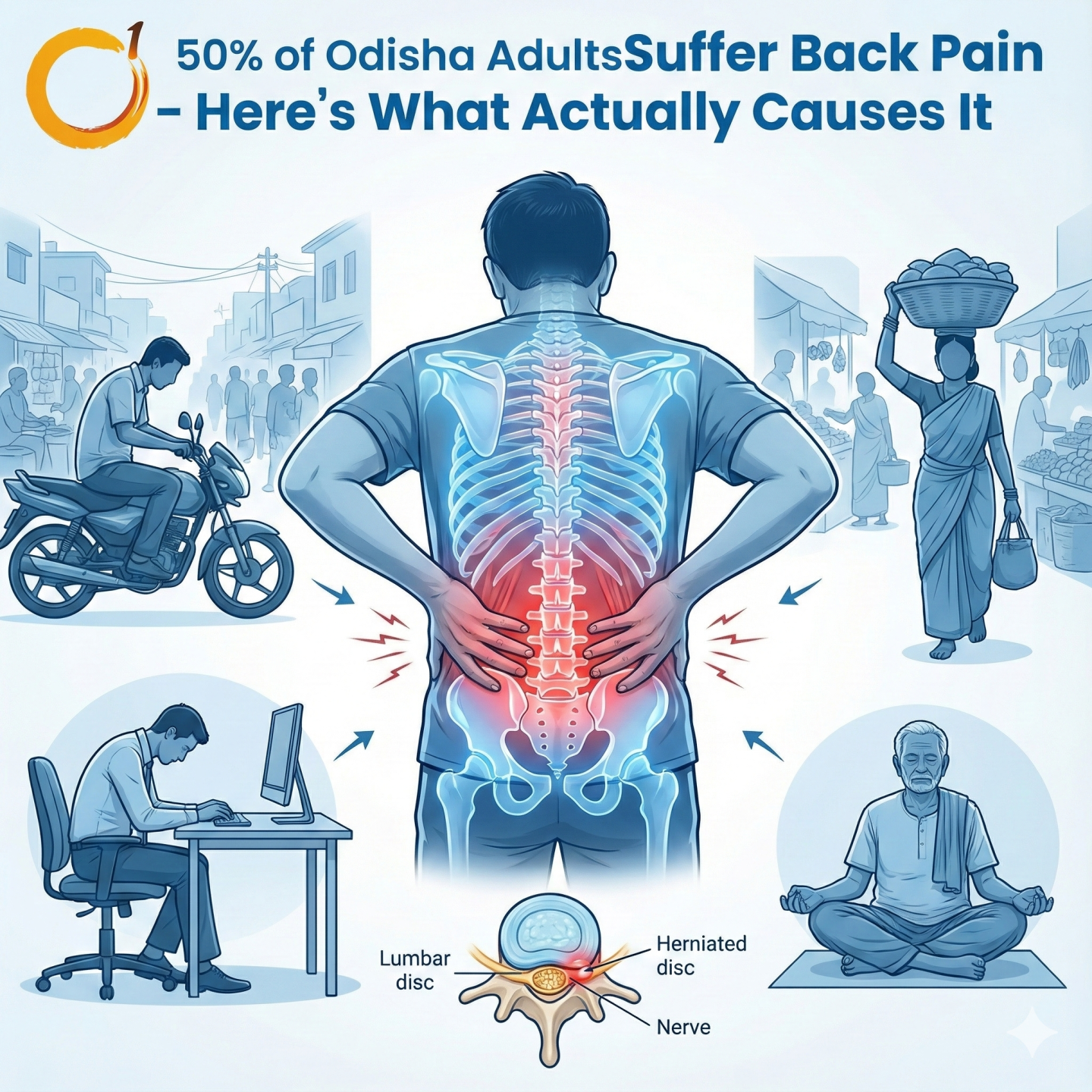
50% of Odisha Adults Suffer Back Pain – Here’s What Actually Causes It

Back pain has silently become one of the biggest health concerns in Odisha, affecting nearly every 2 out of 4 adults. From office employees to homemakers, and even young professionals – chronic back pain has now turned into a lifestyle problem.

At Orthoone Orthopedics, Bhubaneswar, we see hundreds of patients every year who struggle with lower back pain, sciatica, disc issues, and stiffness that limits daily activities.

So what’s really causing this sudden rise?

Why So Many People in Odisha Face Back Pain

There isn’t just one reason. It’s a combination of lifestyle, posture, job nature, body weight and lack of awareness.

Here are the most common reasons:

1️⃣ Sedentary Lifestyle

Most people working in IT, finance, government and private jobs sit continuously for 8–10 hours a day. This weakens spinal muscles and causes disc-related problems.

2️⃣ Poor Sitting Posture

Incorrect posture while:
✔ using computers
✔ smartphones
✔ sitting on bed
✔ slouching
is a major factor that compresses the spine.

3️⃣ Smartphone Neck & Tech Back

Long hours on phones create stress on the neck and shoulders leading to:

  • Cervical spondylitis
  • Upper back stiffness
  • Shoulder pain

4️⃣ Driving for Long Hours

Many Odisha professionals drive daily from districts to Bhubaneswar or Cuttack. This constant vibration and posture stress affects spinal discs over time.

5️⃣ Lack of Exercise

Weak spine muscles = more pressure on discs.

Most adults in Odisha rarely exercise because of:

  • time limitation
  • office work
  • busy lifestyle
  • lack of awareness

6️⃣ Increased Body Weight

Extra weight puts direct pressure on lower spine, accelerating disc degeneration.

7️⃣ Disc Problems and Ageing

As adults cross 35–40 years, disc moisture reduces naturally causing:

  • bulging
  • herniation
  • nerve compression
    leading to sciatica.

Symptoms You Should Not Ignore

If you notice any of these, meet an orthopaedic specialist soon:

  • persistent back pain
  • radiating leg pain
  • numbness or tingling
  • difficulty walking
  • stiffness upon waking up
  • sudden weakness in legs
  • pain while standing or sitting for long

Delayed treatment may worsen disc problems.

Is Surgery Always Needed?

Not at all.

In most cases, back pain can be treated through:

✔ medication
✔ physiotherapy
✔ posture correction
✔ spinal strengthening
✔ lifestyle changes
✔ weight control

Only a small percentage require spine surgery.

When Surgery Is Recommended

If the patient has:

  • nerve compression
  • spinal cord involvement
  • severe sciatica
  • progressive weakness
  • disc prolapse not improving with physiotherapy

At that stage, surgical intervention may be necessary.

A Message for Odisha Patients

Back pain is extremely common, but treatable. The key is early diagnosis and proper spine evaluation.

We at Orthoone Orthopedics provide complete spinal care including:

  • spine diagnosis
  • physiotherapy guidance
  • minimally invasive spine procedures
  • rehab programs
  • advanced spine surgery

About Orthoone Orthopedics

Orthoone Orthopedics is one of the leading orthopedic clinics in Bhubaneswar, founded in 2015 by Dr. Dibya Singha.
The team has treated 10,000+ patients across Odisha and nearby states and performed 3000–5000 surgeries, including advanced spine procedures.

Need Help With Back or Spine Pain?

Clinic Location:
Besides SBI ATM, Near Bus Stop, Acharya Vihar Square, Bhubaneswar, Odisha

Call: 9439537777

Consultant Orthopaedic Surgeon:
Dr. Dibya Singha – Director, Orthoone Orthopedics

Early diagnosis = faster recovery.

87359341_2555341471390083_6366868612036165632_n

Understanding Knee Pain: Causes and Effective Treatment at OrthoOne Orthopedics Clinic

Common Causes of Knee Pain

Knee pain is a common problem that affects people of all ages. It can arise from several causes, ranging from sudden injuries to long-term wear and tear.
One of the main causes is injury, which can happen during sports, workouts, or even daily activities. Common injuries include ligament tears such as an ACL tear or meniscus damage, often caused by a sudden twist or fall. These injuries usually lead to swelling, stiffness, and reduced mobility, making even simple movements painful.

Another frequent cause is degenerative joint disease, especially osteoarthritis. This condition develops when the cartilage that cushions your knee wears away, causing the bones to rub against each other. It results in inflammation, pain, and stiffness, which get worse after long periods of rest or overuse. The risk increases with age, making osteoarthritis a top cause of chronic knee pain among older adults.

Lifestyle habits also affect knee health. Being overweight adds extra pressure on knee joints, speeding up damage and increasing pain. Likewise, lack of exercise can weaken muscles around the knee, reducing joint support and raising the risk of injury. On the other hand, high-impact workouts without proper conditioning may cause tendonitis, which leads to inflammation of the tendons.

Understanding these causes—injuries, joint degeneration, and lifestyle factors—helps in early diagnosis and effective treatment. At OrthoOne Orthopedics Clinic, patients receive expert care to manage knee pain, restore movement, and improve quality of life.

The Importance of Professional Diagnosis

When you experience knee pain, getting a professional diagnosis is essential. Because knee pain can come from different sources, accurate identification of the cause ensures the right treatment.

At OrthoOne Orthopedics Clinic, doctors begin with a detailed medical history, reviewing symptoms, past injuries, and activity levels. Next, a physical examination checks knee movement, stability, swelling, and tenderness. This hands-on evaluation gives doctors valuable insight into the condition of the joint.

To confirm the diagnosis, imaging tests such as X-rays, MRIs, or CT scans are often used. These show detailed views of the bones, cartilage, and soft tissues, helping to detect issues like ligament tears, meniscus injuries, or arthritis. By combining clinical findings and imaging results, specialists at OrthoOne ensure a precise diagnosis and a customized treatment plan.

Getting the correct diagnosis early helps relieve pain faster and prevent long-term joint damage. So, if you have ongoing knee discomfort, don’t ignore it—consult Dr. Dibya Singha and his expert team for a professional evaluation.

Treatment Options at OrthoOne with Dr. Dibya Singha

At OrthoOne Orthopedics Clinic, patients receive comprehensive and personalized treatment under the guidance of Dr. Dibya Singha. Depending on the severity of your condition, treatment may involve non-surgical therapies or surgical interventions.

Non-Surgical Treatments

The first step usually focuses on non-surgical options such as physical therapy. Experienced therapists design custom exercise programs to strengthen knee muscles, improve flexibility, and restore mobility. This approach works well for people with arthritis, minor injuries, or post-surgery recovery.

Dr. Singha may also recommend injections such as corticosteroids or hyaluronic acid to reduce inflammation and relieve pain. In many cases, these simple treatments provide significant relief and improve daily comfort.

Patients also receive guidance on lifestyle changes—including weight management, diet, and low-impact exercises—to maintain healthy joints and prevent future issues.

Surgical Treatments

If conservative methods don’t bring results, surgical options may be considered. Dr. Singha specializes in arthroscopic procedures and knee replacement surgeries. Each treatment plan is personalized to match the patient’s unique needs, ensuring faster recovery and better outcomes.

Throughout the process, Dr. Singha focuses on clear communication, ensuring patients understand their condition and treatment choices every step of the way.

Need Help With knee Pain?

Clinic Location:
Besides SBI ATM, Near Bus Stop, Acharya Vihar Square, Bhubaneswar, Odisha

Call: 9439537777

Consultant Orthopaedic Surgeon:
Dr. Dibya Singha – Director, Orthoone Orthopedics

Early diagnosis = faster recovery.

Roboticknee

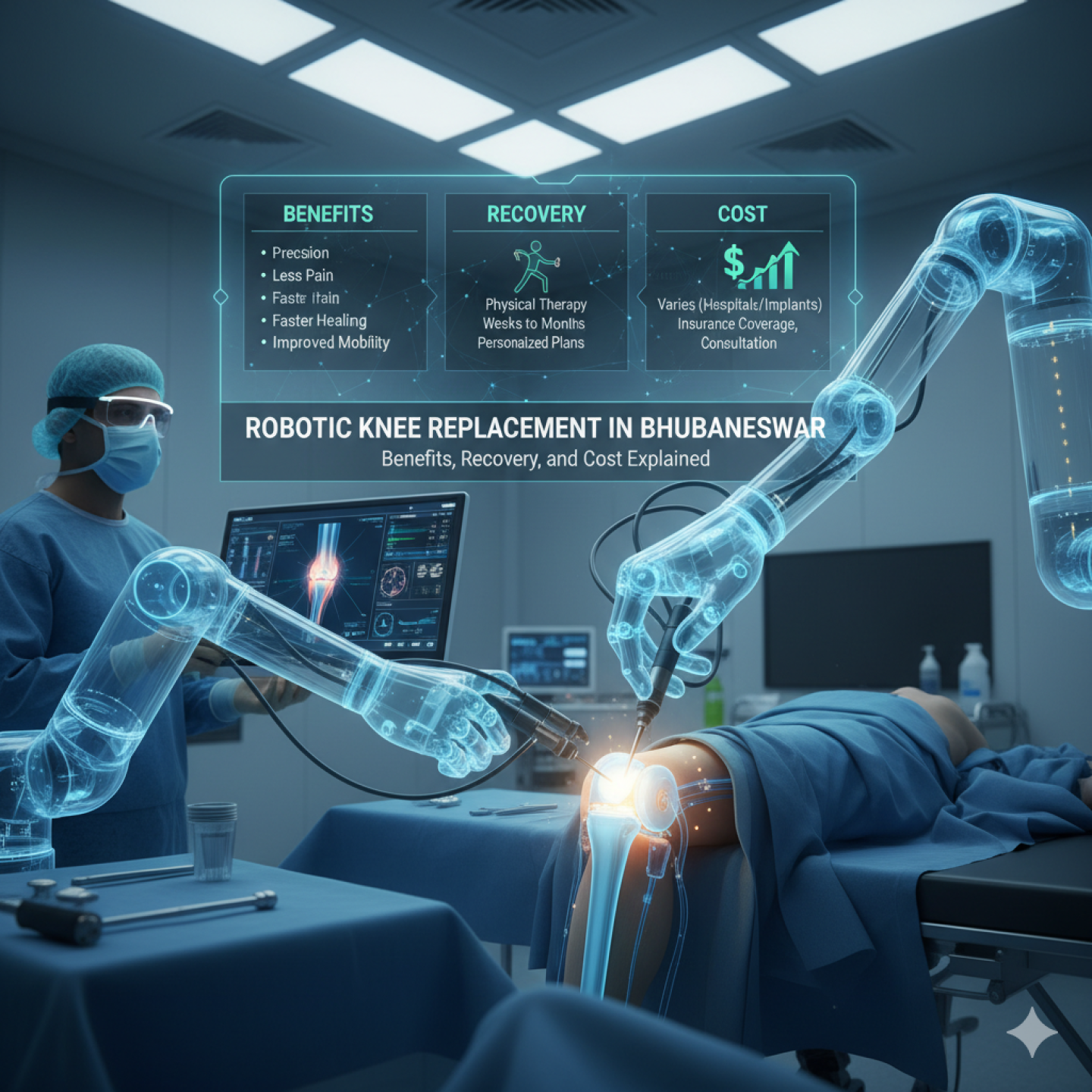
Robotic Knee Replacement in Bhubaneswar: Benefits, Recovery, and Cost Explained

At Ortho One Orthopaedics, we bring advanced robotic-assisted knee replacement technology to Bhubaneswar — helping patients walk pain-free with greater precision, faster recovery, and long-lasting results.

Our expert orthopedic surgeons use state-of-the-art robotic navigation systems to perform knee replacement surgeries with unmatched accuracy. Whether you’re struggling with osteoarthritis, severe knee pain, or stiffness that limits daily activities, robotic knee replacement at Ortho One can help you regain mobility and confidence.

What is Robotic Knee Replacement?

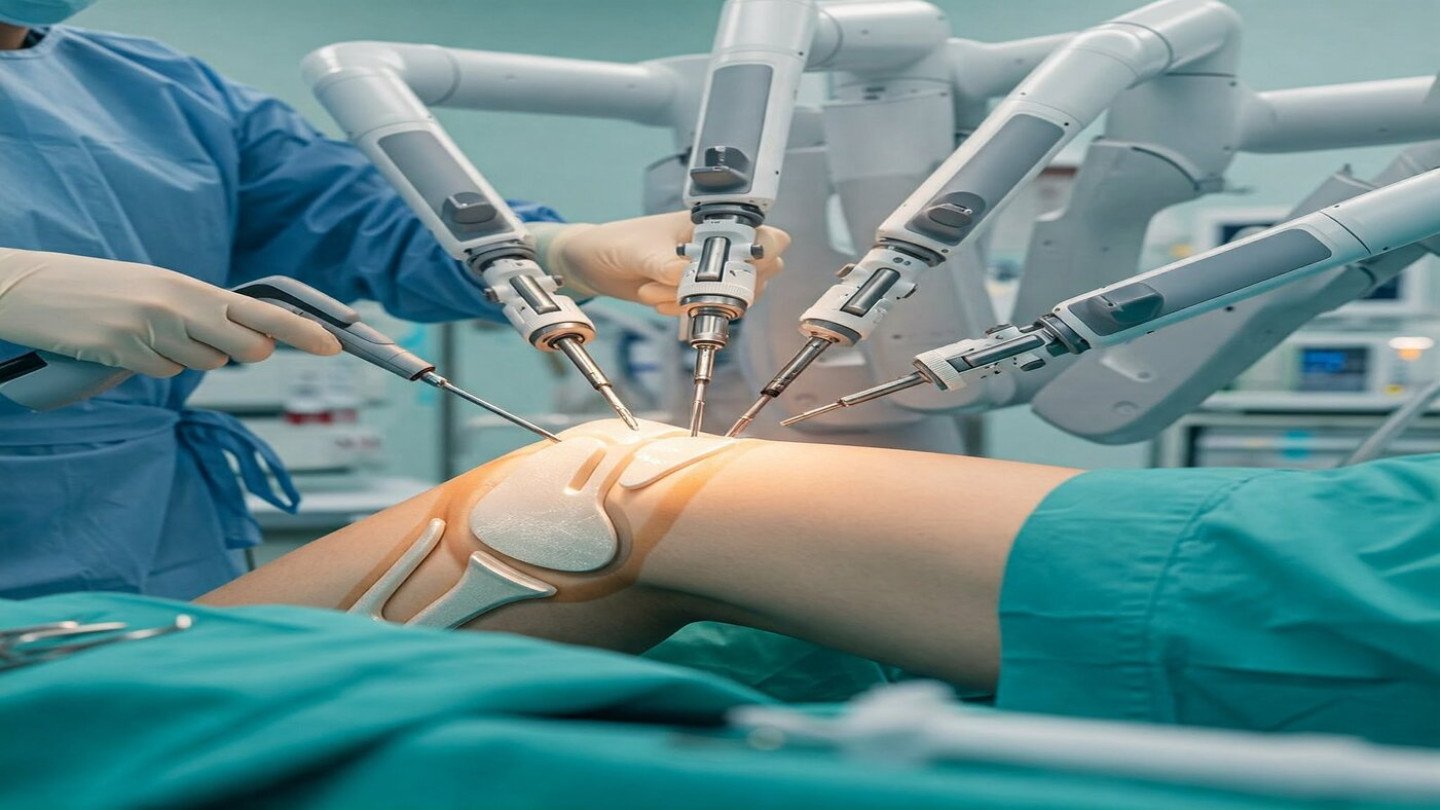
Robotic knee replacement is an advanced surgical procedure where a robotic system assists the surgeon in planning and executing your knee replacement with millimeter-level accuracy.
Unlike traditional methods, this technology ensures perfect alignment and positioning of the implant — which means less pain, faster recovery, and a more natural knee movement.

At Ortho One Orthopaedics, our surgeons combine human expertise with robotic precision, ensuring the best possible outcome for every patient.

Key Benefits of Robotic Knee Replacement

Unmatched Precision
Robotic systems create a 3D model of your knee, helping the surgeon plan every step accurately and position the implant with perfect balance.

Less Pain & Faster Recovery
Smaller incisions and reduced tissue damage mean you recover faster, walk earlier, and experience minimal post-operative discomfort.

Longer Implant Life
Proper alignment reduces wear and tear, improving implant durability and performance for years to come.

Personalised Treatment
Every surgery is customised to your knee’s unique anatomy — not a one-size-fits-all approach.

Early Mobility
Most patients can begin walking the very next day under expert supervision.

The Ortho One Advantage

At Ortho One Orthopaedics, we pride ourselves on offering world-class orthopaedic care right here in Odisha.
Our robotic joint replacement program is led by highly experienced surgeons who have performed thousands of successful knee and hip replacements.

Why Choose Ortho One?

  • Advanced robotic and computer-navigated systems
  • Dedicated rehabilitation and physiotherapy team
  • Transparent pricing with no hidden costs
  • Patient-first approach with complete post-operative support
  • Trusted by 10,000+ happy patients across Odisha and nearby states

Recovery Timeline

Here’s what you can expect after robotic knee replacement at Ortho One:

Day 1: Start walking with support
Week 1–2: Improved mobility, mild pain manageable with medication
Week 3–6: Resume light activities, physiotherapy continues
Month 3+: Back to routine lifestyle, stair climbing, long walks

Our physiotherapy team ensures you rebuild strength and flexibility safely and effectively.

Cost of Robotic Knee Replacement in Bhubaneswar

At Ortho One, we believe advanced treatment should be affordable.
The cost of robotic knee replacement in Bhubaneswar generally ranges between ₹7 lakh – ₹10 lakh, depending on:

  • Type of implant
  • Single or bilateral knee surgery
  • Hospital stay duration
  • Rehabilitation and follow-up needs

We provide clear and transparent cost breakdowns before your procedure.
Cashless and insurance options are available for most major health plans.

Is Robotic Knee Replacement Right for You?

You may be a good candidate if you:

  • Suffer from chronic knee pain or arthritis
  • Have difficulty walking, climbing stairs, or sitting cross-legged
  • Tried non-surgical treatments without relief
  • Want a long-term, durable solution with fast recovery

Our team will perform a detailed evaluation and recommend the best treatment plan tailored to your needs.

Visit Us Today

Ortho One Orthopaedics
Besides SBI ATM, Back Side of Bus Stop,
Acharya Vihar Square, Bhubaneswar, Odisha

WhatsApp / Call : +91 9827001919

OrthoOne clinic

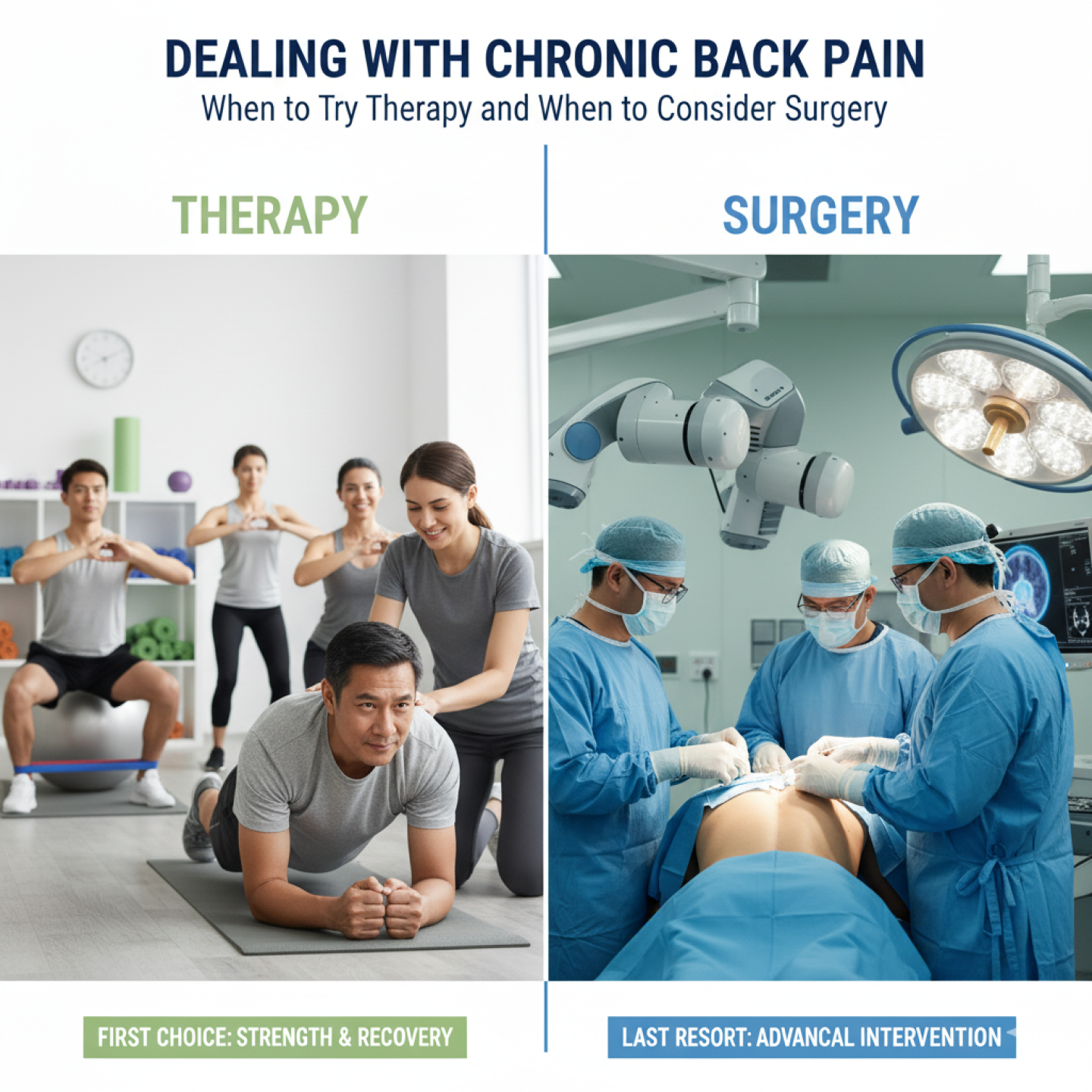
Dealing With Chronic Back Pain: When to Try Therapy and When to Consider Surgery

Chronic back pain treatment requires a careful balance between non-surgical therapy and surgical options. At OrthoOne Orthopedics Clinic, patients receive expert care to relieve persistent spine pain and restore movement. But how do you know when therapy is enough—and when surgery becomes necessary? Let’s explore the signs, treatment options, and recovery approaches guided by Dr. Dibya Singha.

chronic back pain treatment is one of the most common health problems worldwide, affecting millions of people and significantly reducing quality of life. While occasional back pain can be managed with rest, persistent or severe discomfort often requires medical intervention. The challenge many patients face is knowing when conservative treatments are enough—and when surgery may be necessary.

Common Causes of Chronic Back Pain

  • Herniated or slipped discs
  • Degenerative disc disease
  • Spinal stenosis (narrowing of the spinal canal)
  • Arthritis of the spine
  • Muscle or ligament strain
  • Injuries or fractures
  • Poor posture or lifestyle factors

When to Start With Conservative Therapy

Most cases of back pain improve without surgery. Doctors usually recommend non-surgical therapies first, such as:

  1. Physical Therapy & Exercise
    • Strengthens core and back muscles
    • Improves flexibility and posture
    • Reduces the risk of future injuries
  2. Medications
    • Pain relievers, muscle relaxants, or anti-inflammatory drugs
    • Sometimes nerve pain medications or injections
  3. Lifestyle Modifications
    • Maintaining a healthy weight
    • Ergonomic adjustments at work/home
    • Regular low-impact activities like walking, swimming, or yoga
  4. Alternative Treatments
    • Chiropractic adjustments
    • Acupuncture
    • Massage therapy

Therapy works best when the pain is mild to moderate, has lasted a few weeks or months, and does not cause nerve-related symptoms like numbness or weakness.

Signs That Surgery May Be Needed

Surgery is typically considered when conservative treatments fail after several months, or when symptoms worsen. You may need surgical evaluation if:

  • Persistent pain lasts more than 3–6 months despite therapy
  • Pain radiates down the legs or arms (sciatica or nerve compression)
  • Weakness, numbness, or tingling in the limbs
  • Difficulty walking, standing, or performing daily activities
  • Loss of bladder or bowel control (a medical emergency)
  • Spinal deformities such as scoliosis or severe instability

Common Surgical Options for Back Pain

  1. Discectomy – Removal of part of a herniated disc pressing on a nerve
  2. Laminectomy – Removing part of the vertebra to relieve spinal stenosis
  3. Spinal Fusion – Fusing two or more vertebrae to stabilize the spine
  4. Artificial Disc Replacement – Replacing a damaged disc with an artificial one
  5. Minimally Invasive Spine Surgery (MISS) – Smaller incisions, less recovery time

Recovery After Surgery

  • Hospital stay may range from 1–5 days depending on the procedure
  • Rehabilitation with physiotherapy is critical for regaining strength
  • Healing time varies but most patients return to normal activities within a few weeks to months
  • Lifestyle changes (exercise, posture care, weight control) remain important to prevent recurrence

Final Thoughts

chronic back pain treatment can be life-limiting, but not every case requires surgery. For many patients, physical therapy, medications, and lifestyle changes are enough to bring relief. However, if pain persists or neurological symptoms develop, surgery may be the best option for long-term improvement.

leg

Everything You Need to Know About Fracture & Trauma Care

Fractures and traumatic injuries are some of the most common orthopedic emergencies. Understanding the basics of fracture and trauma care helps patients and families respond quickly and ensure proper recovery.

What Is a Fracture?

A fracture is a break in the bone that occurs due to excessive force, trauma, or underlying conditions like osteoporosis. Depending on the severity, fractures may be simple or complex and often require medical attention to heal properly.

Types of Fractures

  1. Closed (Simple) Fracture – The bone breaks but does not pierce the skin.
  2. Open (Compound) Fracture – The broken bone penetrates through the skin, increasing infection risk.
  3. Stress Fracture – Tiny cracks caused by repetitive stress or overuse, common in athletes.
  4. Comminuted Fracture – The bone breaks into several pieces.
  5. Greenstick Fracture – Seen mostly in children, where the bone bends and cracks but doesn’t break completely.

Symptoms of a Fracture

  • Severe pain at the site of injury
  • Swelling and bruising
  • Deformity or unusual shape of the limb
  • Difficulty moving or bearing weight
  • In open fractures, visible bone piercing the skin

Immediate First Aid for Fractures

  • Immobilize the area: Keep the injured part still using a splint.
  • Apply ice packs: Helps reduce swelling and pain.
  • Stop bleeding: In case of open fractures, apply a clean cloth or bandage.
  • Do not attempt to push bones back: Wait for medical professionals.
  • Seek medical help immediately.

Treatment Options

Treatment depends on the type and severity of the fracture:

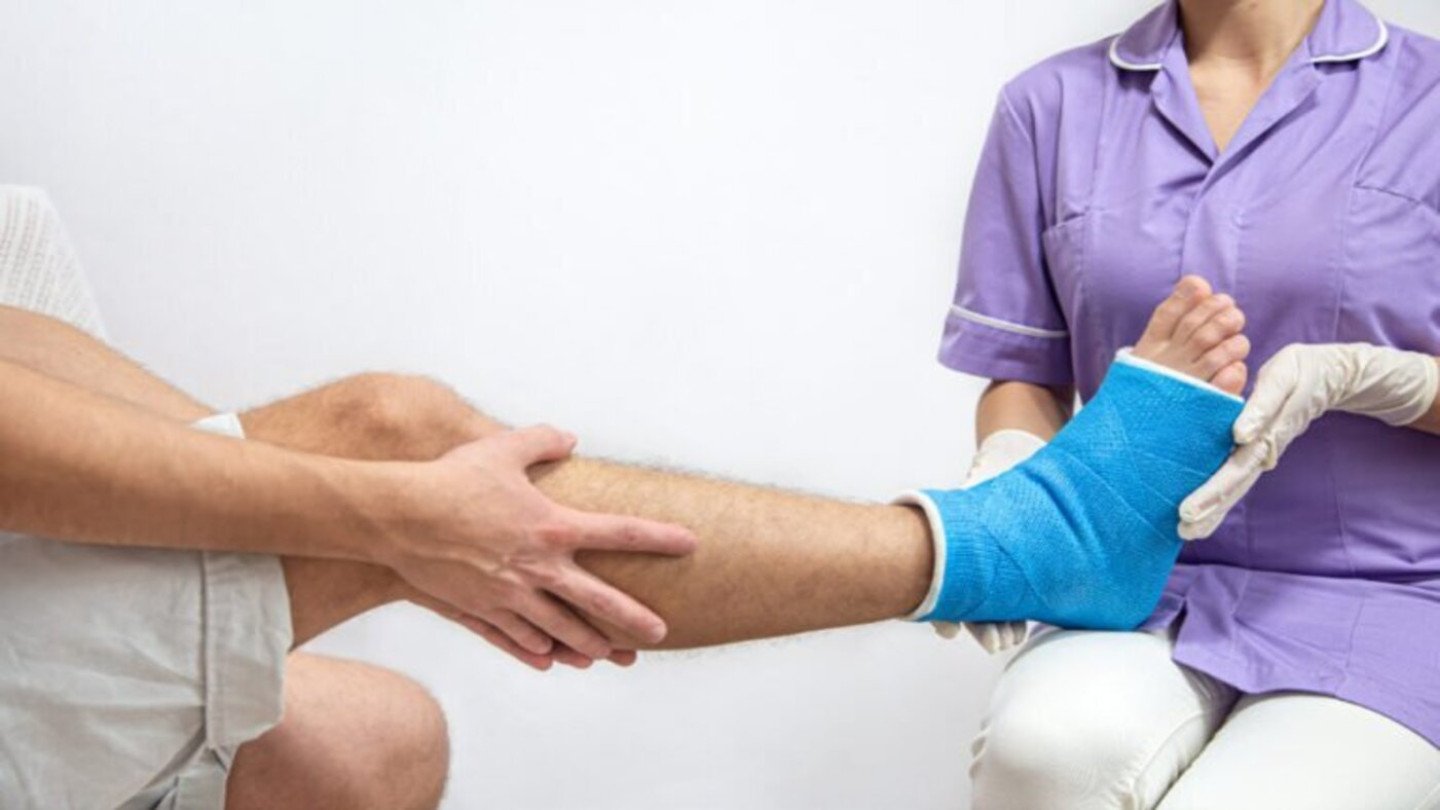
  • Immobilization with plaster casts, braces, or splints
  • Medication for pain and inflammation
  • Surgery for severe fractures (e.g., metal plates, rods, or screws to stabilize bones)
  • Rehabilitation through physiotherapy to restore strength and mobility

Recovery and Rehabilitation

Healing time varies depending on age, bone health, and fracture type. On average, fractures take 6–12 weeks to heal. Rehabilitation includes:

  • Physical therapy to improve flexibility and strength
  • Gradual return to activities under medical supervision
  • Monitoring for complications like infections, delayed healing, or stiffness

Preventing Fractures & Trauma

  • Maintain good bone health with a diet rich in calcium and vitamin D
  • Engage in regular weight-bearing exercises
  • Wear protective gear during sports and physical activities
  • Ensure a safe environment to prevent falls, especially for the elderly

Final Thoughts

Fracture and trauma care is not just about immediate treatment—it’s also about long-term recovery and prevention. If you or a loved one experiences a fracture, timely medical attention and proper rehabilitation are essential to ensure full recovery and prevent future complications.

Shoulder

Understanding Frozen Shoulder: Causes and Symptoms

What Is Frozen Shoulder?

Frozen shoulder, medically known as adhesive capsulitis, is a painful condition that affects the shoulder joint, leading to stiffness, inflammation, and limited mobility. Over time, it can make simple daily tasks — like reaching overhead or wearing clothes — difficult and uncomfortable.

If you’ve been struggling with shoulder stiffness or reduced range of motion, understanding the causes and symptoms of frozen shoulder is the first step toward effective treatment and recovery.

Causes of Frozen Shoulder

While the exact cause of frozen shoulder isn’t always clear, certain factors increase the risk:

  • Diabetes or Thyroid Disorders – People with hormonal imbalances are more prone to developing shoulder stiffness.

  • Prolonged Immobilization – Keeping the shoulder still for long periods after an injury or surgery can trigger this condition.

  • Shoulder Injury or Trauma – Accidents, fractures, or surgeries can lead to inflammation around the joint capsule.

  • Age and Gender – It most commonly affects people between 40–60 years, especially women.

Frozen shoulder usually develops gradually and progresses through three stages:

  1. Freezing Stage – Increasing pain and stiffness.

  2. Frozen Stage – Pain may reduce, but stiffness remains.

  3. Thawing Stage – Gradual improvement in mobility.

Symptoms to Watch For

Common signs of frozen shoulder include:

  • Persistent dull or aching pain in the shoulder and upper arm.

  • Stiffness that limits your range of motion.

  • Difficulty lifting your arm or rotating your shoulder.

  • Pain at night, which can disturb your sleep.

Early diagnosis and treatment can significantly shorten recovery time and prevent long-term complications.

How OrthoOne Can Help

At OrthoOne Orthopedics, Bhubaneswar, our specialists use advanced diagnostic techniques and personalized treatment plans — including physiotherapy, targeted injections, and minimally invasive procedures — to restore shoulder movement and relieve pain effectively.

If you suspect a frozen shoulder, don’t wait for it to worsen. Early medical intervention can make all the difference.

Book a consultation today at OrthoOne Orthopedics, Bhubaneswar, and take the first step toward pain-free movement.

Bone health

Osteoporosis and Bone Health After 40: Prevention Tips from an Orthopedic Expert at OrthoOne Clinic

Understanding Osteoporosis: The Silent Bone Disease

Osteoporosis is a progressive bone disease that weakens the bones and increases the risk of fractures. Often called a “silent disease,” it develops slowly and usually shows no symptoms until a fracture occurs. This condition mainly affects individuals over the age of 40, as bone mass naturally declines due to hormonal changes and reduced calcium absorption.

Several factors contribute to osteoporosis — including genetics, hormones, diet, and lifestyle habits. For women, menopause causes a sharp drop in estrogen, a hormone vital for maintaining bone density. Men also experience gradual bone loss due to declining testosterone levels. A diet low in calcium and vitamin D further weakens bone structure, increasing the risk of fractures.

Other risk factors include a family history of osteoporosis, sedentary lifestyle, smoking, and excess alcohol consumption. Certain medications, such as corticosteroids, can also affect bone strength. Regular Bone Mineral Density (BMD) tests are crucial for early detection, especially for people at higher risk. Early diagnosis allows for timely preventive action and lifestyle changes to preserve bone health.


Common Signs and Symptoms

After 40, it’s important to watch for early signs of osteoporosis and bone loss. One of the most common indicators is frequent or unexpected fractures, especially in the hip, wrist, or spine. These may occur even after minor falls or routine activities.

Another key symptom is a noticeable loss of height over time. This often results from spinal compression fractures, leading to slouching or a hunched posture. Persistent back pain, especially without a clear cause, may also indicate underlying bone weakness.

Because these symptoms develop gradually, many people mistake them for normal aging. However, early evaluation by a healthcare professional can make a major difference. Detecting osteoporosis early helps prevent serious fractures and long-term complications.


Expert Treatment Options at OrthoOne Clinic with Dr. Dibya Singha Das

At OrthoOne Orthopedic Clinic, Dr. Dibya Singha Das provides comprehensive care for patients looking to prevent osteoporosis and maintain strong bones after 40. His approach combines nutrition, physical activity, and lifestyle management for long-term bone health.

A balanced diet rich in calcium and vitamin D is essential. Dairy products, leafy greens, and fortified foods supply calcium, while sunlight, fatty fish, and eggs boost vitamin D levels. Together, these nutrients help strengthen bones and improve calcium absorption.

Regular exercise is equally important. Weight-bearing activities such as walking, jogging, yoga, and resistance training help increase bone density and muscle strength, reducing the risk of falls and fractures. Guided workout programs ensure safety and motivation.

Avoiding tobacco and excessive alcohol is another critical step. These habits are proven to weaken bones over time. Replacing them with healthier lifestyle choices enhances both bone and overall health.


When to Seek Professional Help

After 40, routine bone health check-ups become essential. You should consult an orthopedic expert if you experience:

  • Frequent fractures

  • Noticeable height loss

  • Persistent back or joint pain

A Bone Density Test (DEXA scan) is the standard diagnostic tool for osteoporosis. It measures bone strength and identifies individuals at risk of fractures. Women over 65 and men over 70 should undergo routine screenings. However, younger adults with risk factors—such as smoking, heavy alcohol use, or a family history of bone disease—should consider earlier testing.

Once diagnosed, treatment may include dietary changes, supplements, lifestyle adjustments, or medications to slow bone loss. Regular follow-ups with your doctor help track bone density and adjust care plans as needed.


Takeaway: Protect Your Bones for Life

Osteoporosis prevention after 40 starts with awareness, nutrition, and consistent medical care. At OrthoOne Clinic, Dr. Dibya Singha Das and his team are dedicated to helping you maintain strong, healthy bones for years to come.

orthopedics

Transforming Orthopedics: The Impact of Robotic-Assisted Surgery at OrthoOne Clinic

Robotic-Assisted Surgery at OrthoOne Clinic

Robotic-assisted surgery is transforming modern orthopedics, giving patients access to more precise and minimally invasive treatment options. At OrthoOne Clinic, our orthopedic experts use advanced robotic systems to enhance surgical accuracy, reduce recovery time, and deliver better outcomes for every patient.

This cutting-edge technology enables surgeons to perform joint replacements and other complex orthopedic procedures with exceptional precision. Patients benefit from smaller incisions, less pain, faster recovery, and more consistent results compared to traditional surgery.

At OrthoOne Clinic, adopting robotic-assisted surgery isn’t just a technological upgrade—it’s part of our ongoing commitment to world-class orthopedic care, patient safety, and long-term mobility.

Benefits of Robotic-Assisted Surgery in Orthopedics

Robotic-assisted surgery allows for minimally invasive procedures that significantly shorten recovery times. At OrthoOne, surgeons use these advanced robotic platforms to increase accuracy, minimize risks, and achieve optimal alignment during surgery.

The technology provides enhanced visualization of the surgical site, enabling precise movements even in critical areas such as joints and bones. This level of accuracy results in better post-surgical outcomes and greater patient satisfaction.

The Future of Orthopedic Care at OrthoOne with Dr. Dibya Singha

As robotic technology continues to evolve, its role in orthopedic surgery grows stronger. Under the guidance of Dr. Dibya Singha, OrthoOne remains at the forefront of this transformation—combining expert surgical skill with intelligent precision technology.

By embracing robotic-assisted surgery, OrthoOne strengthens its mission to make advanced, patient-focused orthopedic care accessible, efficient, and transformative.