
orthopedic-surgeon

Top 5 Signs You Should See an Orthopedic Surgeon

Understanding When to Seek Help

Many people experience joint pain or discomfort at some point in their lives. However, knowing when to consult a specialist can make a significant difference in your recovery process. If you're unsure whether to see an orthopedic surgeon, consider these top five signs that may indicate a need for professional evaluation.

Persistent Pain or Discomfort

If you have ongoing pain that lasts for several weeks or interferes with daily activities, it's time to seek help. Chronic pain in your joints, back, or muscles may indicate underlying issues that an orthopedic surgeon can diagnose and treat effectively.

Limited Range of Motion

Another sign that you should consider visiting an orthopedic surgeon is if you notice a significant decrease in your range of motion. If simple actions like bending, twisting, or lifting become difficult, this could be a symptom of an injury or condition that requires surgical intervention.

Swelling and Inflammation

Swelling in your joints or muscles often signifies an injury or condition that may worsen without treatment. Persistent inflammation can lead to further damage, so consulting an orthopedic surgeon can provide you with the necessary care and management strategies to alleviate these issues.

In summary, it's crucial to listen to your body. If you've experienced any of these signs—persistent pain, limited range of motion, or swelling—it may be time to consult an orthopedic surgeon. Taking proactive steps can lead to improved mobility and a better quality of life.
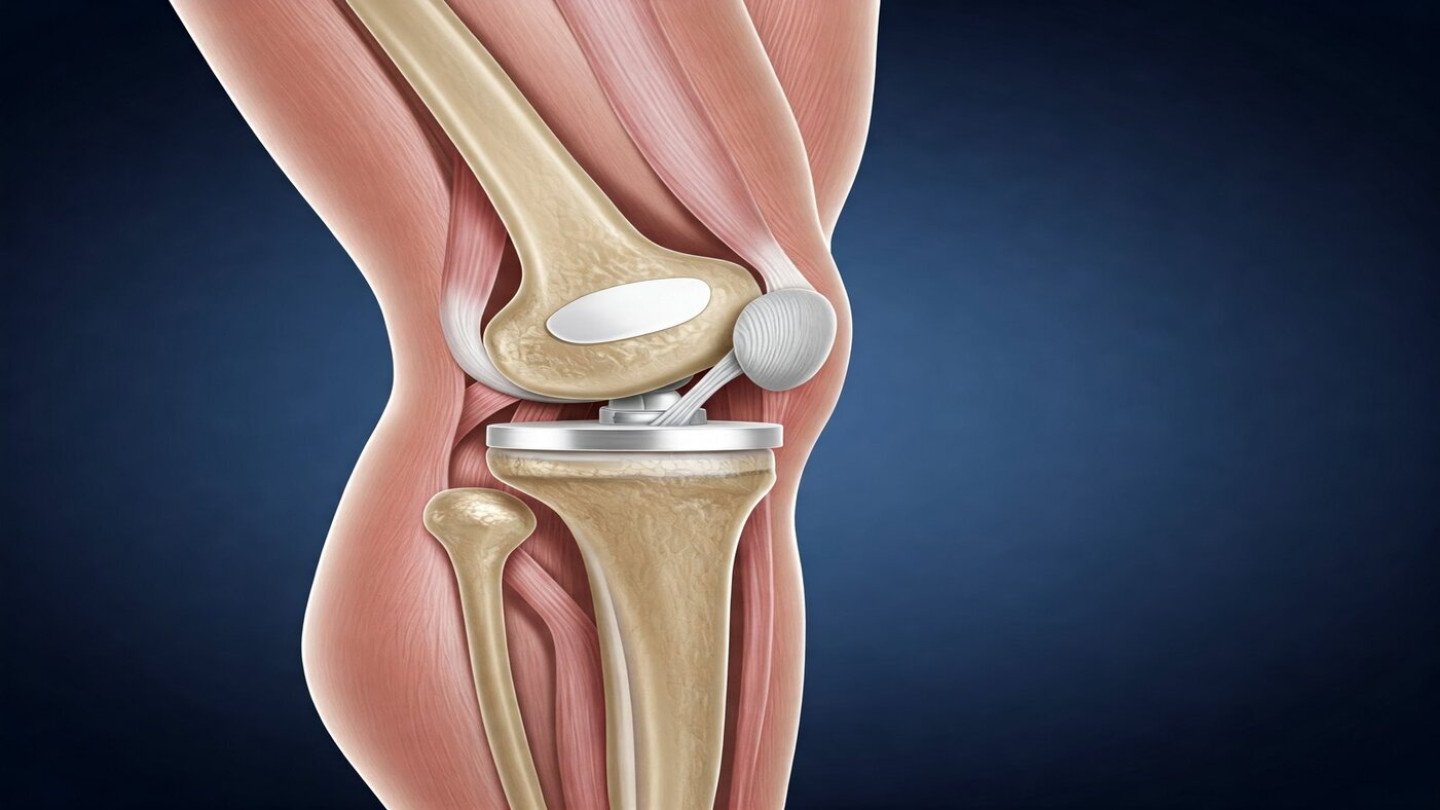

robotic knee

Robotic Knee Replacement vs Traditional Surgery: Understanding the Differences

Introduction to Knee Replacement Surgeries

Knee replacement surgery helps reduce pain and improve mobility for people with severe joint damage. With new medical advancements, robotic knee replacement has become a modern, precise alternative to traditional knee surgery. This article explains how both approaches differ and what patients can expect from each.

How Robotic Knee Replacement Works

In robotic knee replacement, advanced robotic tools assist surgeons throughout the procedure. The technology uses 3D imaging to create a detailed map of the patient’s knee. During surgery, a robotic arm guides the surgeon’s hand with real-time feedback.
This helps place the implant more accurately and reduces damage to surrounding tissues. As a result, patients often experience less pain and faster recovery.

Comparing Recovery and Outcomes

Both robotic and traditional knee replacements are effective for restoring movement and reducing pain. However, robotic-assisted surgery offers some key benefits. Patients usually recover faster, stay in the hospital for a shorter time, and experience better knee alignment.
Improved precision can also help the implant last longer.
Traditional knee replacement, on the other hand, remains reliable and widely practiced. It has proven success in many patients and may be more suitable when robotic systems are unavailable or unnecessary.

Making the Right Choice

Choosing between robotic and traditional knee replacement depends on many factors. These include age, bone condition, the extent of joint damage, and overall health. Always consult an experienced orthopedic surgeon to find the best option.
By understanding these differences, patients can make confident, informed decisions about their treatment and recovery journey.

goals.