knee pain

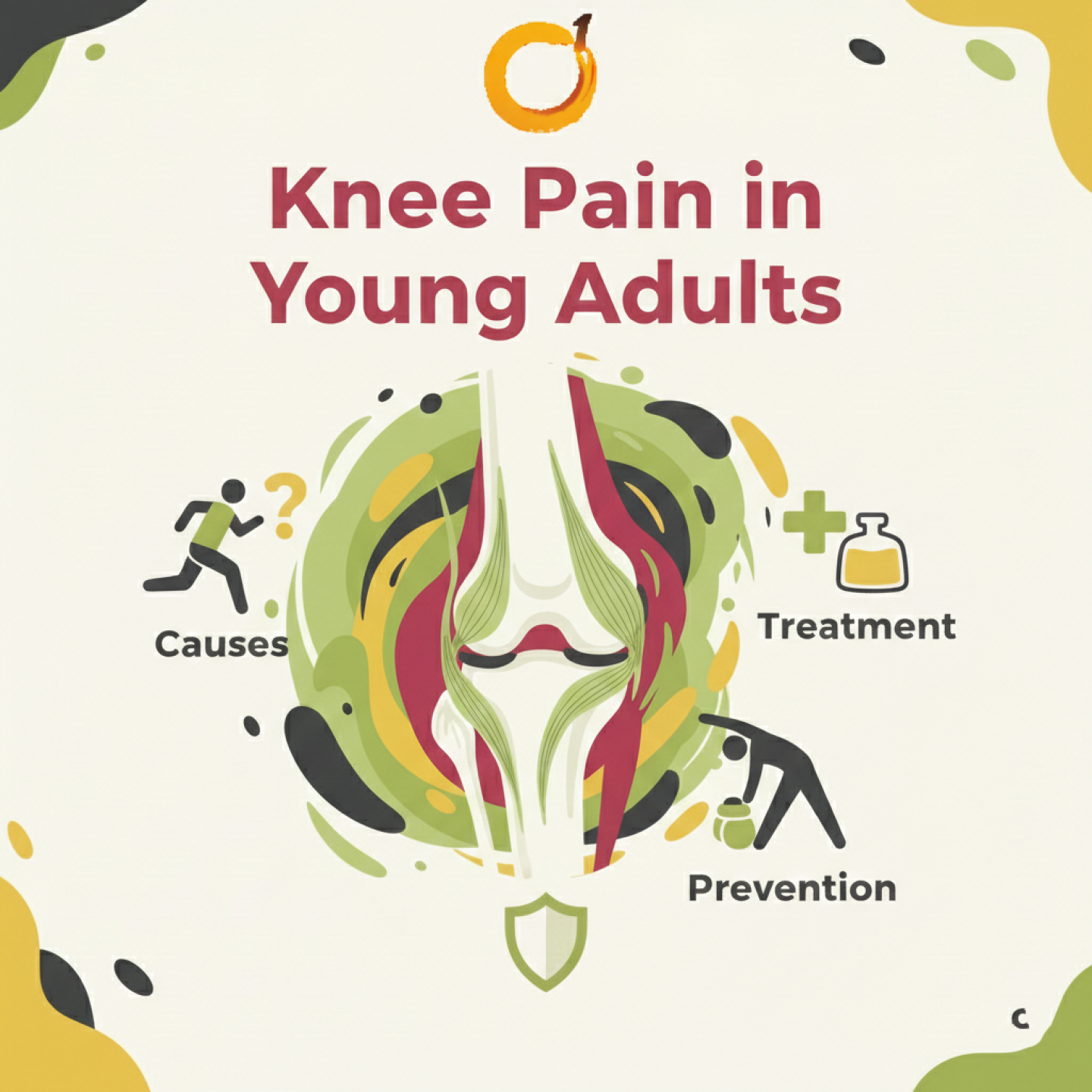
Knee Pain in Young Adults: Causes, Treatment & Prevention

Knee pain is often considered a problem of old age. But today, more and more young adults are experiencing knee problems due to lifestyle changes, sports injuries, and long working hours.

From students to working professionals, knee pain in young adults has become a common complaint. Understanding its causes and taking early action can prevent serious complications in the future.

Why Are Young Adults Getting Knee Pain?

Unlike earlier generations, today’s lifestyle puts extra pressure on the knees:

  • Long hours of sitting
  • Lack of physical activity
  • Excessive gym workouts
  • Obesity
  • Poor posture
  • Sports injuries

All these factors contribute to early knee problems.

Common Causes of Knee Pain in Young Adults

1. Sports and Fitness Injuries

Activities like football, running, badminton, and gym workouts can cause:

  • Ligament injuries (ACL, PCL tears)
  • Meniscus tears
  • Muscle strains
  • Overuse injuries

Improper warm-up and wrong technique are major reasons.

2. Overuse of the Knee Joint

Repetitive movements such as:

  • Running on hard surfaces
  • Climbing stairs frequently
  • Excessive cycling

can irritate the knee joint and lead to chronic pain.

3. Poor Posture and Long Sitting

Sitting for long hours with bad posture weakens thigh muscles and increases stress on the knees, causing pain even in young people.

4. Being Overweight

Extra body weight puts heavy pressure on knee joints. Even a few extra kilos can increase knee strain and lead to early damage.

5. Patellofemoral Pain Syndrome

This condition, also called “runner’s knee,” is very common in young adults and causes pain around the kneecap.

6. Vitamin Deficiency

Low levels of:

  • Vitamin D
  • Calcium
  • Magnesium

can weaken bones and joints, leading to knee discomfort.

Symptoms to Watch For

You should not ignore knee pain if you notice:

  • Pain while climbing stairs
  • Swelling around the knee
  • Difficulty bending or straightening
  • Clicking or locking sensation
  • Stiffness after sitting
  • Pain after sports activity

Early symptoms should always be evaluated by an orthopedic specialist.

Treatment Options for Knee Pain

Treatment depends on the cause and severity of the problem.

Non-Surgical Treatments

Most young adults recover with simple measures such as:

  • Rest and activity modification
  • Ice or heat therapy
  • Pain-relief medicines
  • Physiotherapy
  • Knee strengthening exercises
  • Weight management
  • Knee braces or supports

Advanced Treatments

If pain persists, doctors may recommend:

  • Detailed X-ray or MRI
  • Targeted physiotherapy
  • Injections for pain relief
  • Arthroscopic procedures in severe injuries

Early diagnosis usually prevents the need for major surgery.

Prevention Tips for Healthy Knees

You can protect your knees with a few smart habits:

✔ Exercise Regularly

Strengthen thigh and core muscles to support the knee joint.

✔ Maintain Healthy Body Weight

Less weight means less pressure on knees.

✔ Warm Up Before Sports

Always stretch before workouts or games.

✔ Use Proper Footwear

Good shoes reduce knee strain.

✔ Avoid Long Sitting

Take breaks and move around every 30–40 minutes.

✔ Eat a Joint-Friendly Diet

Include calcium, vitamin D, and protein-rich foods.

When Should You See an Orthopedic Doctor?

Consult a specialist immediately if you have:

  • Severe knee pain after an injury
  • Persistent pain for more than 2 weeks
  • Swelling or instability
  • Difficulty walking
  • Locking or catching sensation

Ignoring knee pain at a young age can lead to arthritis and long-term joint damage.

Final Word

Knee pain in young adults is becoming increasingly common—but it is also highly treatable when detected early. With proper care, exercise, and expert guidance, you can keep your knees strong and pain-free.

Don’t wait for the pain to worsen. Early treatment is the key to lifelong knee health.

Contact Ortho One Orthopedics

For expert diagnosis and treatment of knee pain:

Address:
Ortho One Orthopedics
Besides SBI ATM, Back side of Bus Stop
Acharya Vihar Square, Acharya Vihar, Bhubaneswar, Odisha

Phone: +91 94395 37777
Email: drdibyasinghadas@gmail.com

Consultant: Dr. Dibya Singha

Book your appointment today for professional orthopedic care.
back pain

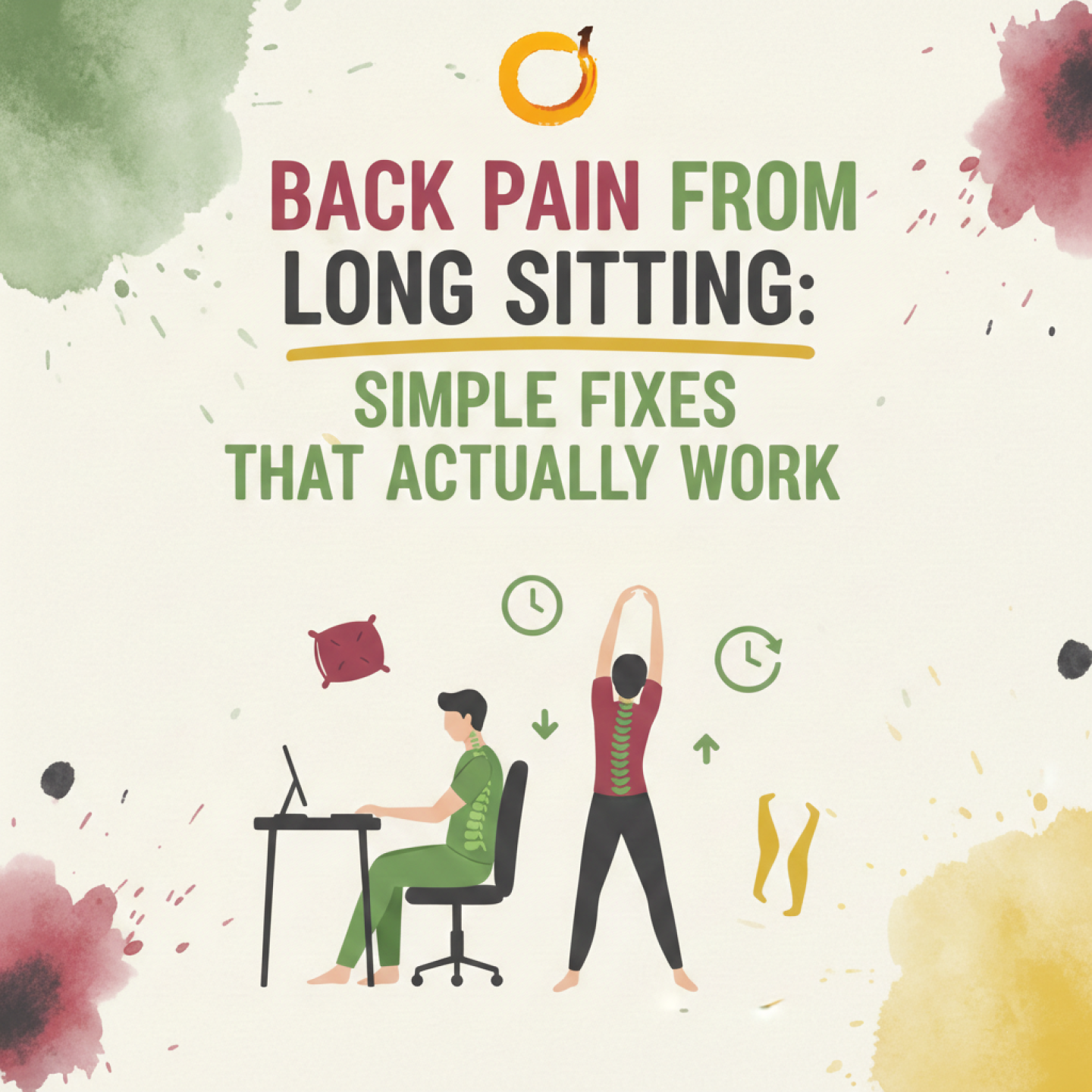
Back Pain from Long Sitting: Simple Fixes That Actually Work

Spending long hours sitting has become part of modern life. Whether you work in an office, study for long hours, or travel frequently, sitting for extended periods can quietly damage your back.

Today, back pain from long sitting is one of the most common reasons people visit an orthopedic doctor. The good news? With a few simple changes, this problem can be prevented and managed effectively.

Why Does Long Sitting Cause Back Pain?

When you sit for hours without movement:

  • Your spine stays in one fixed position
  • Back muscles become weak
  • Blood circulation reduces
  • Pressure on spinal discs increases
  • Poor posture develops

Over time, this leads to stiffness, muscle strain, and chronic lower back pain.

Common Symptoms of Back Pain from Long Sitting

You may experience:

  • Dull aching pain in the lower back
  • Stiffness after getting up
  • Pain while bending or standing
  • Tingling sensation in legs
  • Neck and shoulder discomfort
  • Difficulty sitting for long periods

If these symptoms occur regularly, it is a clear sign your back needs attention.

Simple Fixes That Actually Work

Here are practical and proven ways to reduce back pain caused by long sitting.

1. Correct Your Sitting Posture

Poor posture is the main reason for back pain.

Follow these tips:

  • Sit with your back straight
  • Keep shoulders relaxed
  • Feet flat on the floor
  • Knees at a 90-degree angle
  • Use proper lumbar support

Good posture alone can reduce more than 50% of back problems.

2. Take Frequent Movement Breaks

Never sit continuously for hours.

  • Stand up every 30–40 minutes
  • Walk for 2–3 minutes
  • Stretch your back and neck
  • Avoid staying in one position

Small breaks make a big difference.

3. Do Simple Back Stretching Exercises

A few easy exercises can relieve tension:

  • Forward bends
  • Cat–camel stretch
  • Hamstring stretch
  • Gentle spinal twists

Just 10 minutes of daily stretching keeps your back flexible and pain-free.

4. Use an Ergonomic Chair

Your chair plays a huge role in back health.

Choose a chair with:

  • Good lumbar support
  • Adjustable height
  • Comfortable cushioning
  • Proper backrest

Investing in the right chair is investing in your spine.

5. Strengthen Core Muscles

Weak core muscles put extra pressure on the back.

Regular exercises like:

  • Planks
  • Bridges
  • Pelvic tilts
  • Yoga

help support your spine and prevent pain.

6. Adjust Your Workstation

Make your desk setup back-friendly:

  • Computer screen at eye level
  • Keyboard within easy reach
  • Avoid leaning forward
  • Use a footrest if needed

A well-designed workstation prevents long-term damage.

7. Maintain a Healthy Weight

Extra body weight increases pressure on the spine. Balanced diet and regular exercise reduce back strain significantly.

When Should You See a Doctor?

Home remedies help in most cases. But you must consult an orthopedic doctor if you have:

  • Severe or persistent back pain
  • Pain lasting more than 2–3 weeks
  • Numbness or tingling in legs
  • Difficulty walking or standing
  • Pain after an injury or fall

Early diagnosis prevents serious complications like slip disc or nerve compression.

Final Thoughts

Back pain from long sitting is common—but it is completely preventable. Simple lifestyle changes, correct posture, and regular movement can protect your spine for years.

Listen to your body. Don’t ignore persistent pain.

Contact Ortho One Orthopedics

If you are struggling with chronic back pain or posture-related problems, expert help is just a call away.

Address:
Ortho One Orthopedics
Besides SBI ATM, Back side of Bus Stop
Acharya Vihar Square, Acharya Vihar, Bhubaneswar, Odisha

Phone: +91 94395 37777
Email: drdibyasinghadas@gmail.com

Consultant: Dr. Dibya Singha

Book your appointment today and get professional care for a healthy, pain-free back.

doctor

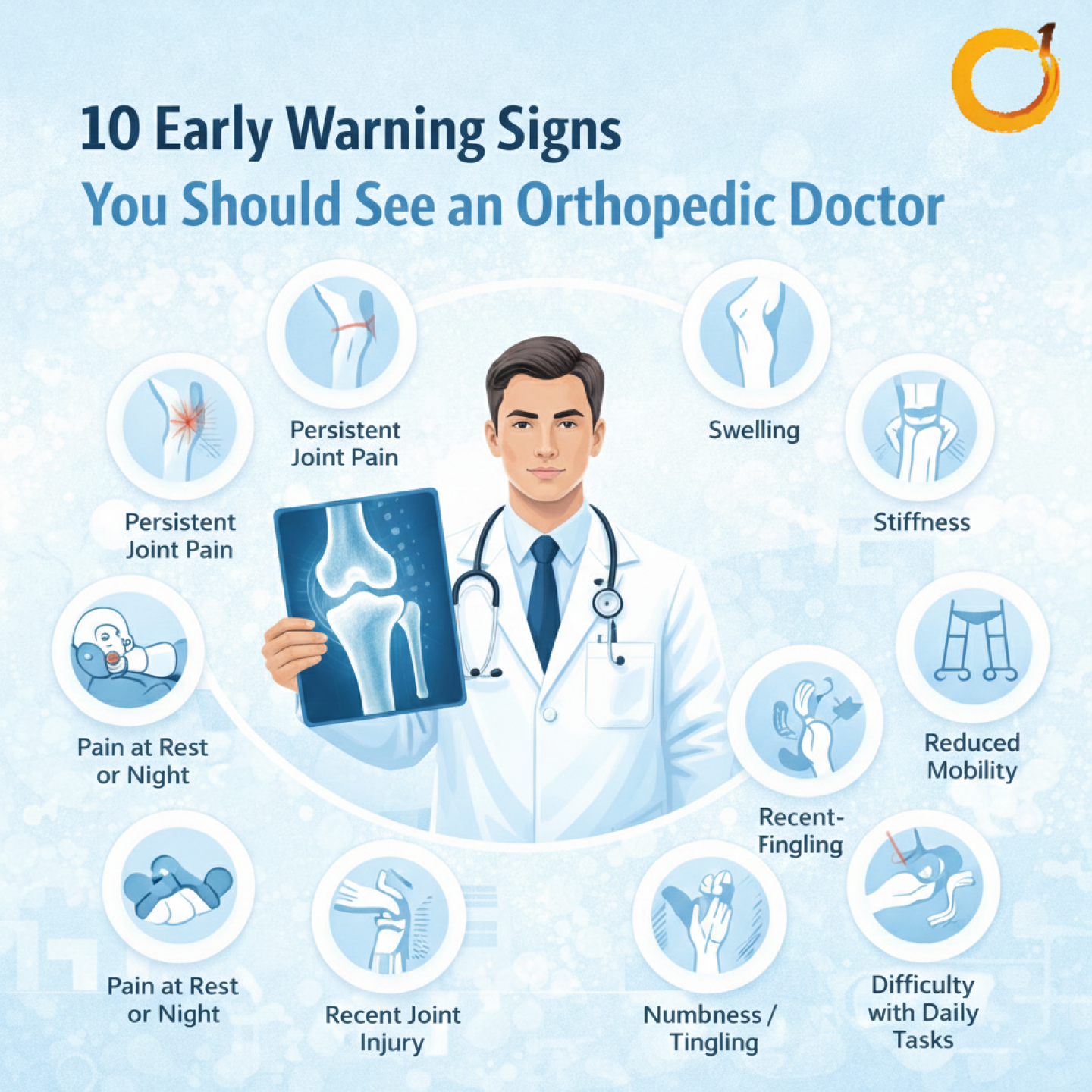
10 Early Warning Signs You Should See an Orthopedic Doctor

Recognizing orthopedic doctor signs early can help you avoid serious bone and joint problems. Many people ignore pain, swelling, or stiffness thinking it is temporary. However, these symptoms are important orthopedic doctor signs that indicate the need for expert medical attention. Understanding these warning signals at the right time can prevent long-term complications and help you stay active and pain-free.

Here are 10 important warning signs that indicate it’s time to consult an orthopedic specialist.

1. Persistent Joint Pain

Occasional pain after heavy work or exercise is normal. But if pain in your knee, shoulder, back, or hip lasts for more than a few weeks, it may indicate:

  • Arthritis
  • Ligament injury
  • Cartilage damage
  • Tendon inflammation

Chronic pain should never be ignored.

2. Swelling Around a Joint

Swelling is a common sign of inflammation or injury. If you notice:

  • Swollen knees
  • Puffy ankles
  • Swelling after minor activity

It could mean fluid buildup, ligament tears, or early arthritis.

Early evaluation can prevent long-term damage.

3. Difficulty in Moving a Joint

If simple activities like:

  • Bending the knee
  • Lifting your arm
  • Turning your neck

become difficult or painful, it may be due to joint stiffness, frozen shoulder, or muscle injury. Loss of movement is a strong reason to visit an orthopedic doctor.

4. Frequent Back or Neck Pain

Back pain is one of the most common orthopedic problems today, especially in:

  • Office workers
  • Students
  • People with poor posture

If your back or neck pain:

  • Radiates to arms or legs
  • Causes numbness
  • Lasts more than 2–3 weeks

you need professional medical attention.

5. Tingling, Numbness, or Weakness

These symptoms often point toward nerve compression problems like:

  • Sciatica
  • Slip disc
  • Carpal tunnel syndrome

Ignoring them can lead to permanent nerve damage.

6. Pain After a Fall or Accident

Even a small fall can cause:

  • Fractures
  • Ligament tears
  • Internal injuries

If you experience severe pain, swelling, or inability to move after an injury, consult an orthopedic doctor immediately.

7. Trouble Walking or Standing

If you feel:

  • Unsteady while walking
  • Pain while climbing stairs
  • Difficulty standing for long

It may be due to knee arthritis, hip problems, or spine issues.

These problems usually worsen over time if left untreated.

8. Stiffness in the Morning

Morning stiffness that lasts more than 30 minutes can be an early sign of:

  • Rheumatoid arthritis
  • Osteoarthritis
  • Joint inflammation

This is a key symptom that requires proper diagnosis.

9. Sports Injuries That Don’t Heal

Athletes and active individuals often ignore injuries thinking they will heal on their own.

But pain from:

  • Sprains
  • ACL tears
  • Shoulder injuries

needs expert orthopedic care to avoid permanent damage.

10. Visible Deformity or Change in Joint Shape

Any noticeable change such as:

  • Bent fingers
  • Bowed legs
  • Swollen knee shape

should never be ignored. These may indicate advanced orthopedic conditions.

Why Early Consultation Matters

Delaying treatment can lead to:

  • Chronic pain
  • Limited mobility
  • Need for major surgery
  • Permanent joint damage

Early diagnosis and proper treatment can help you return to a pain-free, active life.

When in Doubt – Get Expert Help

If you are experiencing any of the above symptoms, don’t wait for the pain to worsen. Professional orthopedic care can make all the difference.

Contact Orthoone Orthopedics

For expert orthopedic consultation and treatment in Bhubaneswar:

Address:
Ortho One Orthopedics
Besides SBI ATM, Back side of Bus Stop
Acharya Vihar Square, Acharya Vihar, Bhubaneswar, Odisha

Phone: +91 94395 37777
Email: drdibyasinghadas@gmail.com

Consultant: Dr. Dibya Singha
(Experienced Orthopedic Specialist)

Take the First Step Toward Pain-Free Living

Your bones and joints support your entire life. Give them the care they deserve.

Call today and book your appointment!